


2026 Toyota RAV4 vs. 2026 Honda CR-V
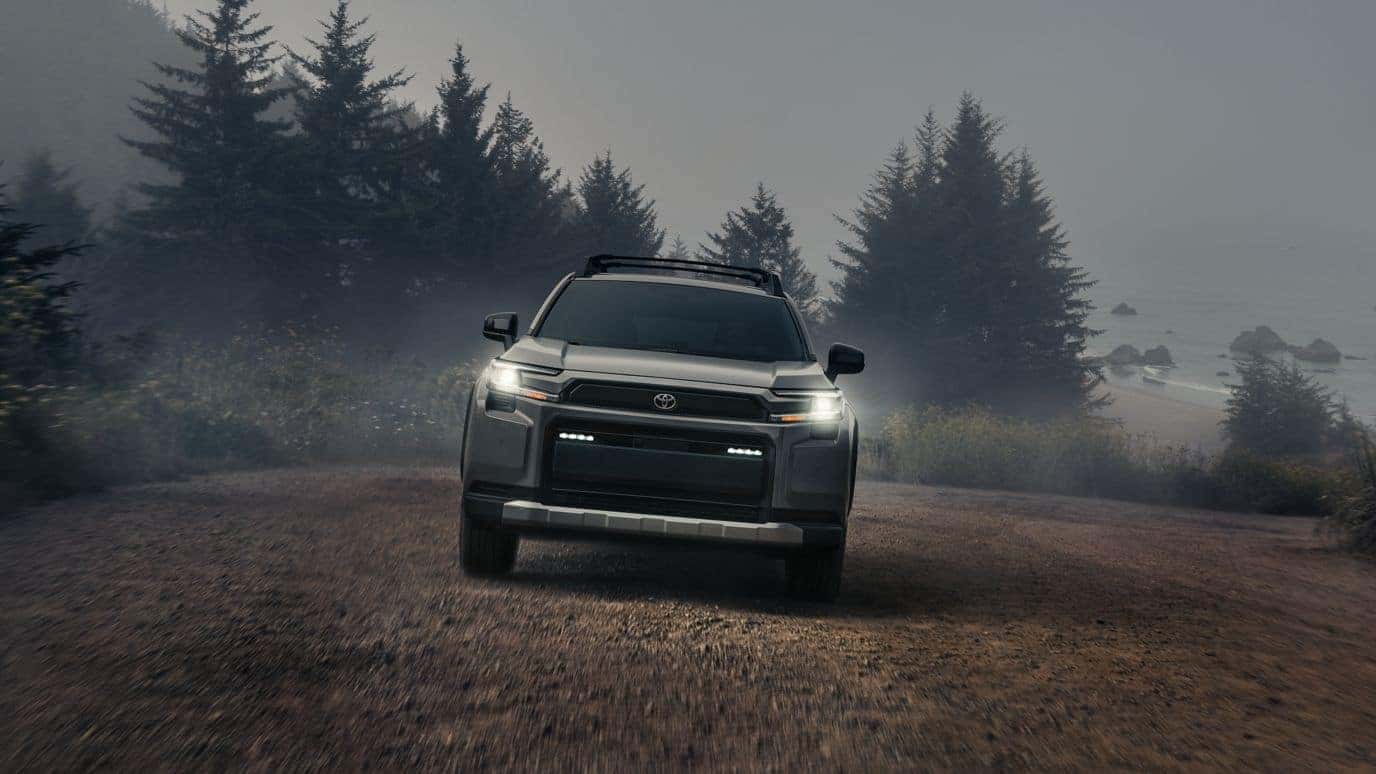
2026 Toyota RAV4 vs. 2026 Honda CR-V: Which SUV is Best for Willamette Valley Drivers?
There’s a reason the most common vehicle comparison our sales team at Albany Toyota hears is between the 2026 Toyota RAV4 and the Honda CR-V. Both models come from brands legendary for dependability, but when you are commuting on I-5 to Salem or navigating wet roads in Corvallis, they offer very different driving experiences. That’s why, at Albany Toyota, our team is prepared to take you through the differences. While the CR-V is a solid, everyday commuter, the fully-electrified RAV4 houses the superior capability on and off the road.
Performance and Powertrain: The RAV4’s Major Leap
The RAV4 only comes in hybrid and plug-in hybrid variants, benefiting from a more fuel-efficient engine without sacrificing any power. The base model pushes out massive horsepower, between 226 to 236. The instant torque of the RAV4’s standard hybrid system makes merging on Highway 20 a breeze, as well as navigating the rainy streets of Salem a safer drive thanks to its improved response. In comparison, the CR-V still relies on a 1.5L gas engine, only getting up to 190 horsepower and requiring a higher price to upgrade to Honda’s hybrid.
Off-Roading, Weather, and Towing: Built for the Pacific Northwest
The RAV4 dominates when it comes to handling and towing, with a properly equipped RAV4 with all-wheel drive capable of moving up to 3,500 pounds. This is perfect for small boats, ATVs, or teardrop trailers. The CR-V’s maximum is much lower, at only 1,500 pounds, with the hybrid variant having an even lower towing capacity. The RAV4 also has specific trim levels for better handling a variety of terrains, including the Woodland Edition and GR Sport. These possess 8.5 inches of ground clearance and a Multi-Terrain Monitor for better tackling muddy trails outside Corvallis. Not to mention, its advanced electronic, on-demand AWD reacts instantly to the slick Oregon rain and snow, as well.
The Plug-in Hybrid Factor: RAV4 PHEV vs. CR-V
The Honda CR-V doesn’t even offer a plug-in hybrid option, while the RAV4 boasts a massive 324 horsepower PHEV model with an estimated 50-mile electric-only range. It’s possible for drivers in Albany or Corvallis to do their entire daily commute on 100% electric power, saving gas for weekend trips to the Oregon coast.
What Makes the Safety and Tech Different?
It may be true that the CR-V has a greater cargo capacity at 76.5 cubic feet, but the RAV4’s cabin tech is much more advanced. This includes a 12.3-inch digital gauge cluster and 12.9-inch touchscreen. Not to mention, while both SUVs have their own suites of safety technologies, the RAV4 has the Toyota Safety Sense 4.0, which is the latest standard for keeping families safe, with the CR-V lacking an equally comprehensive build. Some of these features include:
- Pre-Collision Safety System with Pedestrian Detection
- Full-Speed Range Dynamic Radar Cruise Control
- Automatic High Beams
- Lane Departure Alert with Steering Assist
- Lane Tracing Assist
- Road Sign Assist
- Proactive Driving Assist
Why Willamette Valley Drivers Choose the 2026 RAV4
While the Honda CR-V is a great SUV in its own right, it still doesn’t measure up to the capabilities of the RAV4, making it the perfect “no-compromise” model for your life in Oregon. Ready to see why the 2026 RAV4 is the most popular SUV in its class? Visit Albany Toyota today. Whether you’re coming from Corvallis, Salem, or right here in Albany, our team is ready to set you up with a test drive. Browse our new RAV4 inventory online or stop by the lot!
New Toyota RAV4 For Sale Near Willamette Valley
Frequently Asked Questions
Which vehicle has a better warranty for the hybrid battery?
Both Honda and Toyota are famous for their long-term reliability. However, Toyota backs its hybrid heritage with a 10-year/150,000-mile hybrid battery warranty, compared to Honda’s 8-year/100,000-mile battery warranty. For our local drivers who plan to keep their vehicle for a decade or more, that extra coverage provides major peace of mind.
Which SUV handles Oregon rain, mud, and snow better?
Both vehicles offer All-Wheel Drive, but the RAV4 provides more specialized tools for Pacific Northwest weather. Toyota’s electronic on-demand AWD system reacts instantly to slipping tires. For those who frequently head up to the Cascades for snow or tackle muddy logging roads, the RAV4 Woodland Edition offers 8.5 inches of ground clearance and a 3D Multi-Terrain Monitor to help you navigate tricky trails.
Is the RAV4 PHEV worth it for a daily commute in Albany or Corvallis?
Absolutely. The RAV4 Plug-in Hybrid (PHEV) offers an estimated 50 miles of electric-only range. Since the drive from Albany to Corvallis is roughly 12 miles each way, you can easily handle your daily commute, run errands, and get back home without using a single drop of gas. The CR-V currently does not offer a plug-in hybrid option.
Which SUV is better for towing a camper or boat to the Oregon Coast?
If you plan on towing, the RAV4 is the clear winner. A properly equipped 2026 RAV4 AWD (like the SE, XLE Premium, or Woodland trims) can tow up to 3,500 pounds. That is plenty of capacity for a small camper, a drift boat for the Alsea River, or ATVs. The Honda CR-V maxes out at 1,500 pounds for its gas models, and the CR-V Hybrid can only tow 1,000 pounds.
0 comment(s) so far on 2026 Toyota RAV4 vs. 2026 Honda CR-V